
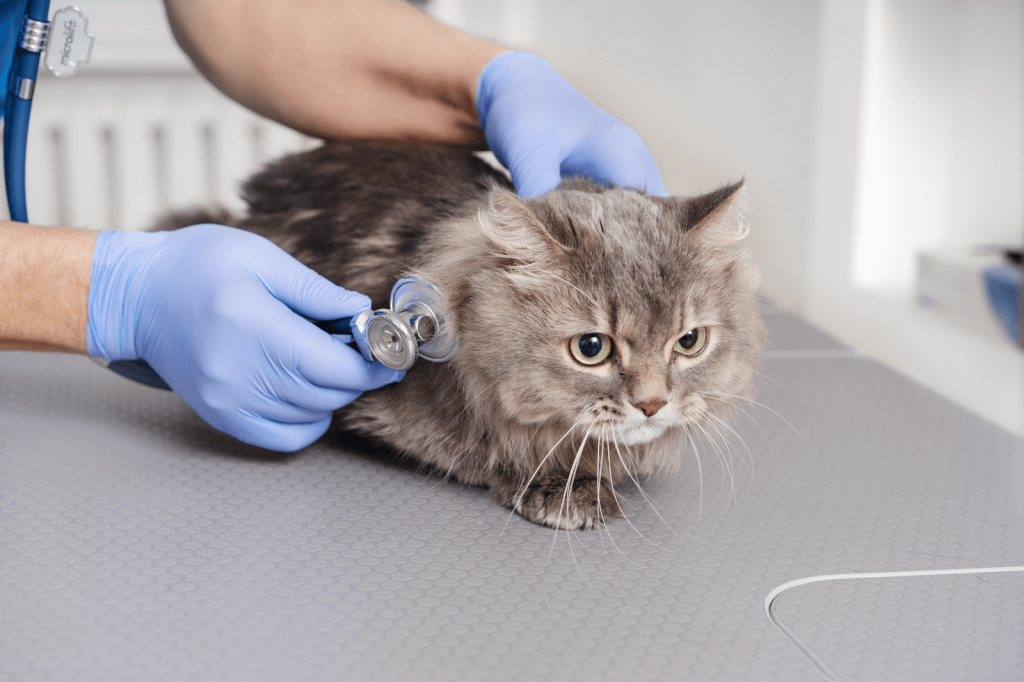
Caring for a pet with chronic illness or declining health can fill everyday moments with uncertainty. Many families struggle to understand if their pet is still experiencing more comfort than suffering. A quality of life scale provides a practical, structured way to assess well-being and make informed, loving decisions during an incredibly difficult time. Families can use our pet quality of life scale to thoughtfully evaluate comfort, daily function, and emotional well-being as illness progresses.
End-of-life decisions are rarely clear-cut. Emotions, medical uncertainty, and love for a pet can make it difficult to evaluate what is truly best. Quality-of-life tools help families and veterinarians move beyond guesswork by offering measurable insight into comfort, function, and emotional well-being. This guide explores how quality-of-life scales work, when to use them, and how they support humane and thoughtful end-of-life decisions.
Understanding Pet Quality of Life
Pet quality of life refers to a pet’s overall physical comfort, emotional state, and ability to engage in daily activities. It is influenced by many factors, including pain, mobility, appetite, mental awareness, and emotional connection with caregivers.
Quality of life is not defined by a single symptom. A pet may still eat while experiencing significant pain or anxiety. Conversely, a pet with limited mobility may still enjoy meaningful interaction and comfort. A quality of life assessment looks at the full picture rather than isolated signs.
Using the Paws at Peace Pet Quality of Life Scale
Families often want a simple, reliable way to understand how their pet is truly doing. The Paws at Peace pet quality of life scale was created to help caregivers evaluate comfort, daily function, and emotional well-being in a structured way.
This resource allows families to reflect on important aspects of a pet’s life, including pain levels, appetite, mobility, engagement with family members, and overall happiness. Rather than relying on a single moment or emotional reaction, the scale encourages thoughtful observation over time.
Using this type of quality of life assessment can make difficult conversations easier. When families review the results with veterinarians, they gain a clearer understanding of disease progression, treatment impact, and whether a pet is still experiencing meaningful comfort.
Many families find that revisiting the scale regularly helps them recognize patterns and make more confident end of life decisions rooted in compassion and clarity.
Why Quality-of-Life Scales Matter
A Quality of Life Guide helps families navigate emotionally charged decisions with greater clarity. Quality-of-life scales are structured tools designed to evaluate multiple aspects of a pet’s daily experience.
These tools are valuable because they:
- Quality-of-life scales provide objective structure during emotional moments, helping families evaluate comfort without relying solely on fear or uncertainty.
- These tools allow caregivers to track meaningful changes related to disease progression that may not be obvious in daily observation.
- Structured assessments support clearer communication between families and veterinarians when discussing comfort, prognosis, and realistic expectations.
- They help families clarify difficult end of life decisions by focusing on comfort, dignity, and overall well-being rather than isolated symptoms.
- Quality-of-life tools ensure care remains aligned with personal end of life values and the pet’s individual preferences.
By identifying patterns over time, families can recognize when comfort is declining despite ongoing care.
Why the Paws at Peace Quality of Life Scale Is Helpful
The Paws at Peace pet quality of life scale was designed specifically for families navigating serious illness, aging, and end-of-life care. Rather than relying only on medical terminology, the scale focuses on everyday experiences that caregivers can easily observe.
It guides families through questions related to:
- Pain and physical comfort
- Appetite and hydration
- Mobility and independence
- Emotional engagement and interaction
- Overall enjoyment of daily life
By evaluating these areas together, caregivers can develop a clearer understanding of their pet’s overall well-being. Many families find that repeating the assessment regularly helps them recognize meaningful patterns and feel more confident when discussing care decisions with their veterinarian.
Emotional and Physical Quality-of-Life Factors
Quality of life extends beyond physical symptoms. Emotional and psychological factors are equally important.
Physical Factors
- Pain and physical discomfort may gradually increase with disease progression, often affecting mobility, posture, sleep quality, and daily comfort.
- Nausea and appetite changes can signal declining tolerance for treatment or increased systemic stress related to chronic illness.
- Breathlessness may indicate advancing disease, creating anxiety and distress that significantly impacts a pet’s sense of comfort and security.
- Mobility limitations can reduce independence and enjoyment of daily activities, contributing to frustration and emotional withdrawal.
- Fatigue related to disease progression may cause pets to disengage from interaction and spend increasing time resting or sleeping.
Emotional Factors
- Anxiety may develop as pets lose predictability in their bodies, especially when pain or discomfort interferes with rest or movement.
- Fear can arise during episodes of discomfort or medical intervention, affecting trust, behavior, and emotional stability.
- Frustration often occurs when pets can no longer perform natural behaviors they once enjoyed due to physical or neurological decline.
- Boredom may develop as activity levels decrease, reducing mental stimulation and engagement with surroundings.
- Loneliness or isolation can occur when pets withdraw or when routines change due to illness or caregiving limitations.
These factors often interact. For example, unmanaged pain may lead to anxiety, which further reduces appetite and engagement.
Clinical Considerations in End-of-Life Assessment
Veterinarians evaluate multiple clinical considerations when reviewing quality-of-life results. These include:
- Veterinarians consider disease progression to understand whether a condition is stable, worsening, or unlikely to improve despite intervention.
- Available treatment options are evaluated to determine whether they meaningfully improve comfort or primarily extend life without quality benefits.
- Potential side effects of medication are weighed carefully, especially when they contribute to nausea, weakness, or emotional distress.
- Clinical considerations focus on whether continued treatment supports comfort or unintentionally increases suffering over time.
In some cases, ongoing treatment may extend life without improving comfort. Understanding these dynamics helps families weigh medical intervention against overall well-being.
The Role of Consultations in Quality-of-Life Decisions
Quality of Life Consultation
A quality of life consultation allows families to review results from the Paws at Peace pet quality of life scale with experienced veterinarians, helping translate observations into compassionate care decisions. These discussions focus on comfort, realistic expectations, and alignment with end of life goals.
Virtual and In-Home Consultations
A virtual consultation offers guidance when travel is difficult or stressful for a pet. An in-home consultation allows veterinarians to assess a pet in a familiar environment, often providing valuable insight into daily comfort and behavior.
These approaches are particularly helpful when deciding between continued treatment, hospice care, or euthanasia.
Hospice Care and End-of-Life Planning
Hospice veterinarians specialize in comfort-focused care during advanced illness. Hospice emphasizes:
- Hospice care prioritizes symptom management to reduce pain, anxiety, and discomfort during advanced illness.
- Emotional support for caregivers is emphasized to help families navigate uncertainty and grief throughout the end-of-life process.
- Ongoing reassessment using quality-of-life tools helps guide timely adjustments to care as conditions change.
- Hospice veterinarians focus on dignity, comfort, and minimizing distress rather than curative treatment goals.
Hospice care may include pain management, environmental adjustments and ongoing reassessment using quality-of-life tools.
Making End-of-Life Decisions
End of life decisions are deeply personal and influenced by many contextual features. These may include:
- End of life decisions are influenced by quality of life factors, medical realities, and the values held by caregivers.
- Tools such as end of life goals worksheets help families articulate priorities and align care with personal beliefs.
- The Four Box Method organizes medical facts, ethical considerations, quality of life, and practical realities into a clear decision framework.
- Euthanasia is considered when comfort can no longer be maintained despite appropriate care and thoughtful planning.
Tools such as an end of life goals worksheet or the Four Box Method help families organize medical facts, ethical considerations, quality of life factors, and practical realities.
When comfort can no longer be maintained, pet euthanasia may be considered as a humane option to prevent ongoing suffering. Euthanasia decisions should always align with end of life values and a commitment to dignity and comfort.
In-Home Veterinary Care and Comfort
In-home veterinary care can reduce stress for pets who experience anxiety in clinical settings. Being assessed at home allows veterinarians to observe natural behaviors and better evaluate comfort and emotional well-being.
This setting often supports clearer decision-making and a calmer experience for both pets and caregivers.
Conclusion
Quality-of-life scales provide structure, clarity, and compassion during one of the most challenging phases of pet caregiving. By using tools like the Paws at Peace pet quality of life scale, families can better understand their pet’s comfort, track changes over time, and make thoughtful end-of-life decisions rooted in dignity and love.
At Paws at Peace, families are supported through quality-of-life consultations, hospice guidance, and in-home veterinary care to ensure decisions are made with understanding, empathy, and respect for each pet’s unique journey.
FAQs
Q: What is a pet quality of life scale?
A: A pet quality of life scale is a structured tool used to evaluate a pet’s comfort, happiness, and daily functioning. It helps pet owners and veterinarians assess well-being objectively when facing serious illness, aging, or end-of-life decisions.
Q: How does a quality of life assessment help pet owners?
A: A quality of life assessment helps reduce emotional uncertainty by tracking changes over time. It provides clarity, supports informed discussions with a veterinarian, and helps families recognize when comfort is declining despite treatment or supportive care.
Q: Can a quality of life scale tell me exactly when it’s time?
A: No single scale can give an exact answer. These tools are guides, not rules. They help highlight trends and concerns, which should be combined with veterinary guidance, medical facts, and your understanding of your pet’s comfort.
Q: How often should I use a pet quality of life scale?
A: Frequency depends on your pet’s condition. For progressive or terminal illness, daily or weekly use is helpful. Regular tracking makes it easier to notice subtle declines that might otherwise be overlooked during emotional moments.
Q: What signs suggest a pet’s quality of life is declining?
A: Common signs include uncontrolled pain, difficulty moving, poor appetite, labored breathing, anxiety, confusion, and withdrawal from family. When these issues persist despite care, overall quality of life may be compromised.