
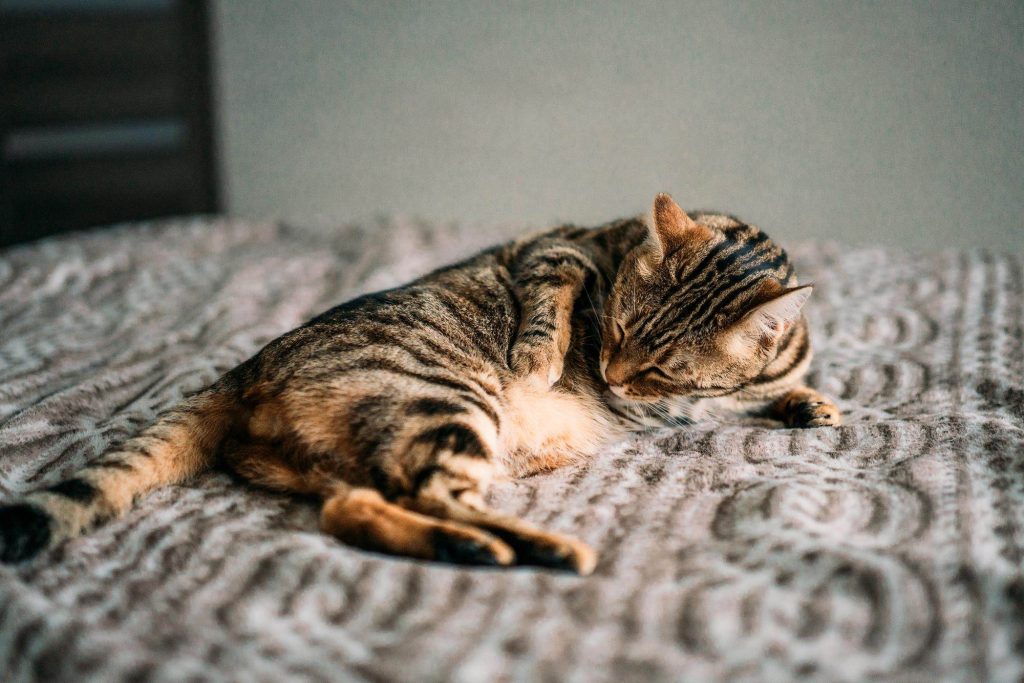
It is certainly worrying for a cat owner to watch their beloved pet turn away from food. When it happens with a senior cat, the concern is even greater. Appetite changes in older cats are rarely without cause, and understanding why is my senior cat not eating is one of the most important questions a caregiver can ask. While some causes are manageable with early intervention, others signal deeper health issues that require prompt attention and thoughtful care planning.
This guide explores the most common reasons behind cat loss of appetite in senior cats, how to recognize when decreased eating is a medical concern, and what steps you can take to support your cat’s comfort and well-being as they age.
Why Appetite Matters More in Senior Cats
Cats are obligate carnivores, meaning their bodies depend on a consistent intake of animal-based protein to maintain organ function, muscle mass, immune health, and energy. Unlike some animals that can tolerate short periods without food, cats are particularly vulnerable to the consequences of not eating.
When a cat goes without food for more than 24 to 48 hours, the body begins breaking down fat reserves for energy. This process can trigger a serious condition called hepatic lipidosis, also known as fatty liver disease, in which fat accumulates in liver cells and impairs liver function. Senior cats are especially susceptible to this complication because they often have less metabolic reserve and may already be managing other health conditions.
This is why an older cat not eating, even for a relatively short period, should always be evaluated rather than monitored passively at home.
Normal Aging Changes Versus Medical Concerns
Not every change in a senior cat’s eating habits reflects a serious illness. Some degree of decreased interest in food is associated with normal aging. Older cats may eat more slowly, show less enthusiasm at mealtime, or become more selective about texture and temperature. These gradual shifts are different from a sudden or significant refusal to eat.
Understanding the difference between normal age-related changes and medically significant appetite loss helps you decide when to seek veterinary care. A cat that eats smaller amounts but continues eating regularly is different from a cat that has stopped eating entirely or suddenly refuses food they previously enjoyed. The latter warrants a veterinary assessment regardless of other symptoms.
Common Reasons Why Senior Cats Stop Eating
There are many possible explanations for why my senior cat is not eating. In most cases, there is an identifiable underlying cause that a veterinarian can diagnose and address. The following are among the most common.
Dental Disease and Oral Pain
Dental disease is one of the most prevalent and frequently overlooked causes of appetite loss in older cats. Periodontal disease, tooth resorption, gingivitis, and oral tumors can all cause significant pain when chewing. A cat experiencing oral discomfort may approach the food bowl, sniff the food, and then walk away. They may drop food while eating, chew only on one side of the mouth, or show reluctance to eat harder kibble while still accepting softer foods.
Because cats are instinctively reluctant to show vulnerability, dental pain often goes unnoticed until it has become severe. Regular dental examinations and prompt treatment of oral disease can make an immediate and meaningful difference to appetite and quality of life. If you have noticed any of these behaviors in your cat, an oral examination by your veterinarian is an important first step.
Kidney Disease
Chronic kidney disease is extremely common in senior cats and is one of the leading causes of cat loss of appetite in this age group. As kidney function declines, waste products accumulate in the bloodstream and cause a condition called uremia. Even in moderate stages, uremia produces persistent nausea that significantly reduces appetite.
Cats with kidney disease may eat less at each meal, skip meals entirely, or show interest in food only to turn away after a few bites. Other signs often accompany reduced appetite including increased thirst, weight loss, and lethargy. If your cat is displaying a combination of these symptoms, kidney disease should be investigated early. Our guide on chronic kidney disease in cats covers disease progression and care options in detail.
Hyperthyroidism
Hyperthyroidism is another very common condition in older cats caused by an overactive thyroid gland. While many cats with hyperthyroidism initially show increased appetite and weight loss simultaneously, some develop appetite fluctuations or a reduced interest in food as the disease progresses or creates secondary complications such as cardiac or gastrointestinal effects.
Hyperthyroidism is also associated with hypertension, kidney disease, and heart disease, all of which can independently affect appetite. Diagnosis is straightforward through a blood test measuring thyroid hormone levels and treatment options including medication, radioactive iodine therapy, and surgery are effective in many cats.
Gastrointestinal Disease
Conditions affecting the stomach and intestines are a significant and often underdiagnosed cause of why my cat is not eating in senior cats. Inflammatory bowel disease, gastrointestinal lymphoma, pancreatitis, and intestinal obstruction can all produce nausea, vomiting, and a persistent loss of interest in food.
Cats with gastrointestinal disease may vomit regularly, produce abnormal stools, lose weight despite eating some food, or show a gradual transition from selective eating to near-complete appetite loss. Some of these conditions are manageable with long-term medication while others carry a more guarded prognosis and require careful monitoring of quality of life over time.
Liver Disease
The liver plays a central role in digestion and metabolism. When liver function is compromised by disease, inflammation, or toxin accumulation, nausea and appetite suppression are among the first signs to appear. Cats with liver disease may also show yellowing of the skin or whites of the eyes, a condition called jaundice, along with lethargy and behavioral changes.
Hepatic lipidosis itself, triggered by a period of not eating, can become a secondary condition layered on top of an existing illness, making recovery more complex. This reinforces the importance of acting promptly when an older cat not eating pattern is observed.
Pain From Arthritis or Chronic Illness
Chronic pain is a powerful suppressor of appetite in cats. Conditions such as arthritis in dogs are equally relevant in cats, where degenerative joint disease is common but frequently underdiagnosed. A cat experiencing joint pain may find it uncomfortable to bend down to a food bowl, stand for the duration of a meal, or walk to the feeding area. The act of eating itself becomes associated with effort or discomfort.
Beyond arthritis, any source of chronic pain including cancer, bladder disease, or neurological conditions can reduce appetite significantly. Pain assessment in cats is challenging because they rarely vocalize discomfort in obvious ways. Behavioral cues such as reduced grooming, changes in posture, reluctance to jump, and social withdrawal are important indicators to discuss with your veterinarian.
Cancer
Cancer is unfortunately common in senior cats and can affect appetite in multiple ways depending on the type and location of the disease. Tumors in the gastrointestinal tract, liver, or oral cavity directly interfere with eating mechanics or digestion. Systemic cancers such as lymphoma produce metabolic changes and nausea that reduce appetite broadly.
Large cell lymphoma in cats and small cell lymphoma in cats are among the most common feline cancers affecting appetite and gastrointestinal function. Oral tumors in cats can make chewing painful or physically difficult. Understanding which type of cancer is present helps guide treatment decisions and realistic expectations about appetite management.
Stress and Environmental Changes
Cats are highly sensitive to changes in their environment and daily routine. A move to a new home, the introduction of a new pet or person, changes in feeding schedule, or even a new food bowl can trigger stress-related appetite suppression. This is particularly true for senior cats whose tolerance for disruption tends to decrease with age.
Stress-related appetite loss is usually temporary and resolves when the triggering change is addressed or the cat adjusts to the new circumstances. However it is important to rule out medical causes before attributing reduced appetite to stress alone.
Medication Side Effects
If your senior cat has recently started a new medication, reduced appetite may be a side effect. Many medications including antibiotics, pain relievers, and chemotherapy agents can cause nausea, altered taste perception, or gastrointestinal discomfort that suppresses appetite. Discussing this possibility with your veterinarian can help identify whether a medication adjustment or additional anti-nausea support is needed.
How to Encourage a Senior Cat to Eat
While identifying and treating the underlying cause is the most important step, there are practical strategies that can help encourage food intake in the short term.
Warming the Food
Warming wet food slightly increases its aroma, which is a powerful driver of appetite in cats. Cats that have lost interest in food at room temperature often show renewed interest when food is warmed to just below body temperature. Avoid microwaving food unevenly and always check the temperature before offering it.
Trying Different Textures and Flavors
Cats with dental pain, nausea, or reduced sensory function may respond better to certain textures. Smooth pâté-style foods are often easier to eat than chunky varieties for cats with oral discomfort. Trying a variety of protein sources may also help identify flavors that still appeal to your cat.
Elevating the Food Bowl
For cats with arthritis or neck discomfort, bending down to floor level can be painful. Raising the food bowl to a more comfortable height removes a physical barrier to eating and can make a noticeable difference in how willing your cat is to approach mealtimes.
Offering Small and Frequent Meals
Rather than leaving a large amount of food available throughout the day, offering small portions more frequently can stimulate appetite. Fresh food is more appealing than food that has been sitting out for hours.
Appetite Stimulants
Your veterinarian may recommend a short course of appetite-stimulating medication such as mirtazapine if your cat’s food intake is dangerously low. These medications can provide a bridge while the underlying cause is being investigated and treated.
When to Seek Veterinary Help
Any senior cat that has not eaten for 24 hours or more should be seen by a veterinarian. If your cat is also showing signs of vomiting, significant weight loss, lethargy, changes in litter box habits, or visible discomfort, the evaluation should happen promptly. Waiting to see if appetite improves on its own is rarely the right approach in older cats given their vulnerability to hepatic lipidosis and other complications.
Tracking your cat’s food intake, body weight, and behavioral changes in the days before the appointment gives your veterinarian valuable context. Note when the appetite change began, whether it was sudden or gradual, and any other symptoms you have observed.
Appetite Loss in the Context of Serious Illness
For senior cats already living with a serious diagnosis, progressive cat loss of appetite often signals a meaningful shift in disease status. As conditions such as kidney disease, cancer, or heart disease advance, appetite typically decreases as a direct consequence of systemic deterioration.
At this stage the focus of care may transition from treating the underlying disease to prioritizing comfort and quality of life. Using a structured tool such as the pet quality of life scale from Paws at Peace can help you evaluate your cat’s overall well-being beyond appetite alone. Factors such as comfort, mobility, emotional engagement, and freedom from distress are all part of a complete picture.
When appetite loss is persistent and severe despite supportive care, and when other quality-of-life indicators are also declining, many families begin to consider whether their cat is approaching the end of their comfortable life. A quality of life consultation with a veterinarian experienced in end-of-life care can provide clarity and compassionate guidance during this difficult time.
For families who have reached the point of considering euthanasia, understanding what to expect from in-home pet euthanasia can help the process feel less frightening and more manageable. And if grief is already weighing heavily before or after loss, pet loss grief counseling offers meaningful support for navigating those emotions at your own pace.
Conclusion
Understanding why is my senior cat not eating is the first and most important step toward helping them. Whether the cause is dental pain, kidney disease, gastrointestinal illness, or cancer, early identification and appropriate care can make a meaningful difference to your cat’s comfort and quality of life. An older cat not eating should never be dismissed as simply getting old. With attentive observation, timely veterinary care, and thoughtful support at every stage of illness, your cat can be kept as comfortable and cared for as possible throughout their senior years.
At Paws at Peace, families caring for senior cats with serious illness are supported through quality-of-life consultations, hospice guidance, and compassionate in-home end-of-life care, ensuring every cat is treated with the dignity and love they deserve.
FAQs
Q: How long can a senior cat go without eating before it becomes dangerous?
A: Senior cats should not go without eating for more than 24 to 48 hours. Beyond this point, the risk of hepatic lipidosis increases significantly. Older cats have less metabolic reserve than younger ones, making prompt veterinary evaluation essential when appetite loss is observed.
Q: Should I be worried if my older cat is eating less but still drinking water?
A: Yes, reduced food intake in a senior cat always warrants attention even if water intake appears normal. Continued drinking does not rule out serious illness. Conditions like kidney disease and hyperthyroidism increase thirst while simultaneously suppressing appetite, so both changes together are particularly significant.
Q: Can stress cause an older cat to stop eating?
A: Yes, environmental changes and stress can temporarily reduce appetite in senior cats. However, stress should only be considered as a cause after medical conditions have been ruled out. Senior cats are more vulnerable to illness-related appetite loss, so a veterinary examination is always recommended first.
Q: What can I feed a senior cat that refuses their regular food?
A: Try warming wet food slightly to enhance its aroma, offering a different protein source or smoother texture, or raising the food bowl to a more comfortable height. If appetite remains poor despite these strategies, contact your veterinarian about appetite-stimulating medications or further investigation.
Q: When does cat loss of appetite signal end-of-life decline?
A: When appetite loss is persistent, progressive, and accompanied by weight loss, weakness, and reduced engagement with surroundings despite treatment, it may reflect advancing disease. A quality-of-life assessment with your veterinarian can help determine whether comfort-focused care or end-of-life planning is the most appropriate next step.