
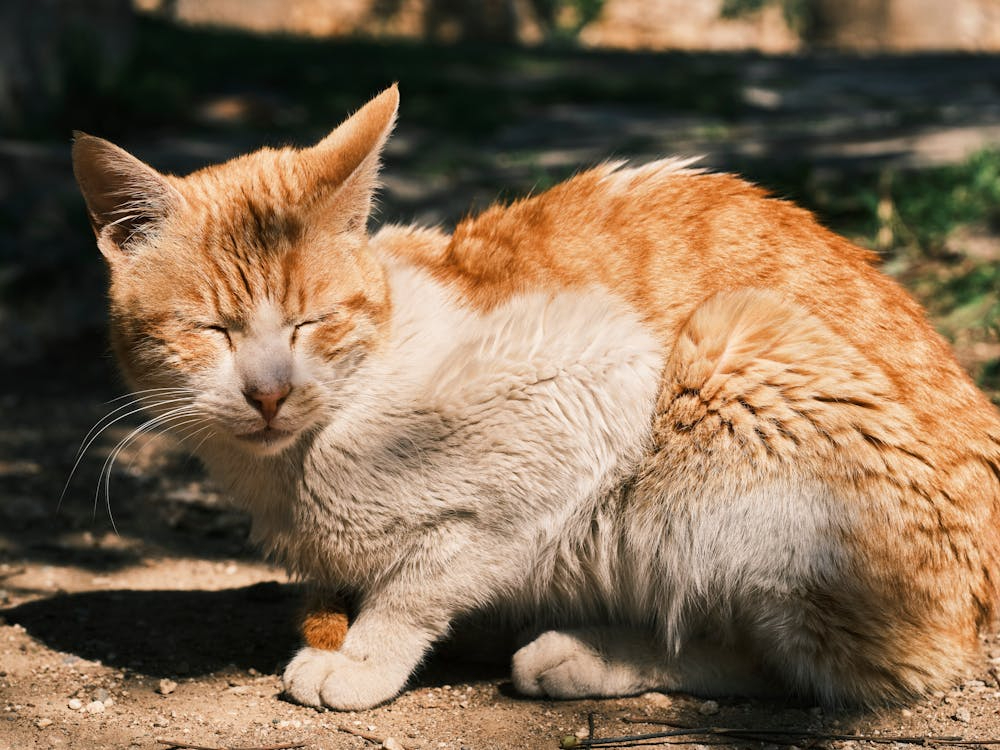
Cats are remarkably skilled at concealing discomfort. What has served them well as a survival instinct in the wild becomes a significant challenge for the families who love them. By the time obvious signs of illness or distress appear, a cat may have been quietly suffering for some time. Asking how do I know if my elderly cat is suffering is one of the most important questions a caregiver can ask, and learning to recognize the answer takes both knowledge and attentive observation.
This guide walks through the physical, behavioral, and emotional signs that suggest an older cat is experiencing pain or declining quality of life, why cats hide suffering so effectively, and how families can support their elderly cat with compassion and clarity.
Why Cats Hide Pain and Suffering
Understanding why cats conceal discomfort helps explain why recognizing suffering in elderly cats is so challenging. In the wild, showing vulnerability is dangerous. An animal that appears weak becomes a target for predators. This deeply ingrained instinct persists in domestic cats regardless of how safe and loved they are.
The result is that cats rarely cry out in pain, rarely limp dramatically, and rarely make their discomfort obvious until it has become very severe. Instead, they make subtle adjustments to their behavior, their routines, and their environment that are easy to miss without careful observation. Senior cats managing chronic illness or advancing disease are particularly likely to suffer quietly over extended periods.
This is why cat pain symptoms often present as behavioral changes rather than vocalization or dramatic physical signs, and why understanding these subtler signals matters so much for families of elderly cats.
Physical Signs That Your Elderly Cat May Be Suffering
Changes in Posture and Body Position
A cat in pain often adopts postures designed to protect the affected area. They may hunch their back, tuck their abdomen, hold their head lower than usual, or sit with their legs tucked tightly beneath their body rather than in a relaxed loaf position. Cats with abdominal pain often adopt a characteristic hunched posture that may be easy to overlook if you are not actively looking for it.
Changes in how a cat holds themselves at rest are among the most consistent physical indicators of discomfort and are worth discussing with your veterinarian if you notice a new pattern.
Significant Weight Loss
Progressive weight loss is one of the most common and reliable indicators that something is wrong in an elderly cat. While some gradual loss of muscle mass is associated with normal aging, significant or rapid weight loss always reflects an underlying health problem. Conditions including chronic kidney disease in cats, diabetes in cats, cancer, and hyperthyroidism all produce weight loss as a prominent feature.
Weight loss that becomes visible, such as a prominently felt spine, visible hip bones, or a loss of the muscular fullness around the head and shoulders, indicates that the body is under significant metabolic stress and warrants immediate veterinary evaluation.
Reduced Appetite or Refusal to Eat
A meaningful and persistent reduction in appetite is a serious indicator of cat health problems in elderly cats. Cats that stop eating or significantly reduce their food intake are often experiencing nausea, oral pain, systemic illness, or a combination of these. Because cats are vulnerable to hepatic lipidosis when they go without food for extended periods, appetite loss in a senior cat should never be treated as something to simply wait out.
Changes in the Coat and Grooming Habits
Healthy cats are meticulous groomers. When a cat is in pain or feeling unwell, grooming is often one of the first behaviors to diminish. An elderly cat that was previously well-kept and begins developing a dull, matted, or greasy coat is signaling that something has changed in how they feel. Conversely, some cats with skin pain or neurological conditions over-groom specific areas to the point of creating bald patches or skin lesions.
Difficulty Using the Litter Box
Struggles with the litter box can signal several different cat health problems. A cat experiencing joint pain may find it difficult to climb in and out of a box with high sides, resulting in accidents outside the box. Cats with kidney disease, bladder disease, or feline urethral obstruction may strain, visit the box frequently, or produce very small amounts of urine. Diarrhea or constipation accompanying litter box changes can indicate gastrointestinal disease.
Any notable change in litter box behavior in a senior cat should be discussed with your veterinarian promptly.
Changes in Breathing
Labored, rapid, or open-mouth breathing in a cat at rest is always a medical concern. Cats do not pant the way dogs do under normal circumstances. Conditions including pleural effusion in cats, congestive heart failure in cats, and feline infectious peritonitis can all cause respiratory changes that signal significant internal distress. Labored breathing is one of the clearest signs that a cat requires urgent veterinary attention.
Visible Pain Responses
While cats rarely cry out, some do vocalize when in significant pain, particularly when a painful area is touched or moved. Hissing, growling, or biting when being handled in a way that was previously tolerated can signal that touch is now causing pain. Flinching or sudden muscle contractions when a specific area of the body is palpated are also important signals to observe and report to your veterinarian.
Behavioral Signs That Your Elderly Cat May Be Suffering
Lethargy and Withdrawal
Lethargy in cats is one of the most consistent behavioral indicators of suffering. A cat that once engaged with family members, explored the home, or sought interaction and now spends the majority of its time sleeping in a single location has likely undergone a meaningful shift in how they feel. Some degree of reduced activity is expected in senior cats but a sudden or progressive increase in sleeping, withdrawal from interaction, and loss of interest in surroundings suggests that something more than normal aging is occurring.
Withdrawal from human contact is particularly significant in cats that were previously social or affectionate. When a cat that used to seek out your company begins hiding under the bed or in quiet corners and resists approach, it often reflects discomfort rather than a change in personality.
Changes in Social Behavior
Some cats in pain become unusually clingy rather than withdrawn, seeking constant physical contact in a way that differs from their normal behavior. Others become irritable and react negatively to touch, proximity, or handling that they previously tolerated. Both represent departures from baseline behavior and are meaningful signals worth noting.
Aggression that appears suddenly in a previously gentle elderly cat is particularly important to discuss with your veterinarian, as it frequently reflects pain rather than behavioral change.
Vocalization at Unusual Times
While cats rarely vocalize pain directly, some elderly cats develop a pattern of yowling or crying, particularly at night. This can reflect cognitive dysfunction and disorientation, pain, hypertension related to hyperthyroidism or kidney disease, or sensory decline such as vision or hearing loss. Any new pattern of excessive or distressed vocalization in an elderly cat warrants investigation.
Reluctance to Jump or Move
A cat that was previously mobile and now avoids jumping onto furniture, seems hesitant before movement, or moves with visible stiffness is likely experiencing musculoskeletal pain. Degenerative joint disease is common in elderly cats and frequently underdiagnosed because cats adapt their movement so quietly that families often do not notice until mobility has been significantly reduced.
Watch for reluctance to use cat trees or furniture the cat once favored, difficulty descending stairs, and stiff or slow movement particularly after rest.
Disrupted Sleep Patterns
Restlessness at night, an inability to settle, and frequent position changes can all indicate that a cat is uncomfortable. Cats in pain may be unable to find a position that relieves discomfort and will shift repeatedly during what should be rest periods. Combined with other cat pain symptoms, disrupted sleep patterns help build a picture of an animal experiencing chronic discomfort.
Emotional and Psychological Signs of Suffering
Physical and behavioral signs do not tell the complete story. Cats experiencing chronic illness can also suffer emotionally and psychologically in ways that affect their daily experience.
A cat that has lost interest in play, interaction, sunbathing, or other activities they once enjoyed may be experiencing a form of emotional withdrawal related to how they feel physically. The absence of pleasure, curiosity, and engagement is as meaningful as the presence of pain. When a cat no longer seems to derive joy from the things that once mattered to them, their overall quality of life has diminished in a way that goes beyond physical symptom management.
Conditions That Commonly Cause Suffering in Elderly Cats
Several conditions are particularly associated with suffering in senior cats and are worth understanding when asking how do I know if my elderly cat is suffering.
Chronic kidney disease in cats causes nausea, weakness, and appetite loss that worsen as the disease advances. Large cell lymphoma in cats and small cell lymphoma in cats affect the gastrointestinal system and broader health. Hypertrophic cardiomyopathy in cats is the most common cardiac condition in cats and can produce breathlessness and discomfort as it progresses. Saddle thrombus in cats can cause sudden and severe hind limb pain. Seizures in cats from neurological or metabolic disease can be distressing and disorienting.
Each of these conditions progresses differently and requires individualized care but all share the potential to cause significant suffering when not appropriately managed or when management is no longer effective.
What to Do When You Suspect Your Elderly Cat Is Suffering
The most important first step is a veterinary examination. Even if you are uncertain about what you are observing, your veterinarian can perform a thorough physical assessment, discuss your observations in detail, and recommend appropriate diagnostics to identify the underlying cause of changes you have noticed.
Be specific when describing what you have seen. Note when changes began, whether they are progressive or episodic, and any other symptoms that have accompanied them. Bringing a short written summary of your observations to the appointment helps ensure nothing important is missed.
If your cat has already been diagnosed with a serious illness, tracking changes in the signs described above over time using a structured tool such as the pet quality of life scale from Paws at Peace provides valuable insight into how their condition is evolving between veterinary visits.
When Quality of Life Requires Honest Evaluation
For elderly cats living with advanced illness, there comes a point where the question shifts from how to treat the disease to whether treatment is still serving the cat’s comfort. When cat pain symptoms are persistent despite appropriate management, when lethargy in cats has progressed to near-complete disengagement, and when appetite and mobility have significantly declined, an honest quality of life evaluation is a necessary and compassionate step.
A quality of life consultation with a veterinarian experienced in end-of-life care can help families assess where their cat is in their illness journey with clarity and compassion. These conversations are never easy but they provide the foundation for decisions that truly put the cat’s comfort first.
When families reach the point of considering euthanasia for an elderly cat, understanding what in-home pet euthanasia involves can help make that experience feel less frightening and more intentional. And for those carrying the weight of anticipatory grief or loss, pet loss grief counseling offers a compassionate space to process those emotions without judgment.
Conclusion
Asking how do I know if my elderly cat is suffering reflects the depth of care you have for your companion. Because cats conceal pain so instinctively, recognizing suffering requires learning to interpret subtle changes in posture, behavior, appetite, and emotional engagement rather than waiting for obvious signs. The earlier these changes are identified and investigated, the better the chance of addressing them in a way that preserves your cat’s comfort and quality of life.
At Paws at Peace, families caring for elderly cats with serious illness are supported through every stage, from quality-of-life consultations and hospice guidance to compassionate in-home end-of-life care, ensuring every cat is treated with the dignity, empathy, and love they deserve.
FAQs
Q: How can I tell if my elderly cat is in pain if they are not crying out?
A: Most cats do not vocalize pain directly. Look instead for postural changes such as hunching, reluctance to move or jump, coat deterioration, withdrawal from interaction, changes in litter box behavior, and reduced appetite. These subtle behavioral shifts are often the clearest indicators of discomfort in senior cats.
Q: Is lethargy in cats always a sign of serious illness?
A: Not always, but persistent or worsening lethargy in an elderly cat should always be evaluated. While reduced activity is associated with normal aging, significant withdrawal, loss of interest in surroundings, and progressive disengagement typically reflect an underlying health problem that warrants veterinary assessment rather than observation at home.
Q: Can an elderly cat seem comfortable while still suffering internally?
A: Yes. Cats are highly effective at masking discomfort and may appear outwardly calm while experiencing significant internal illness or chronic pain. This is why tracking subtle behavioral and physical changes over time, rather than relying on how a cat appears in a single moment, is so important for accurate quality-of-life assessment.
Q: What are the most common health problems that cause suffering in elderly cats?
A: Common causes include chronic kidney disease, dental disease, cancer, hyperthyroidism, hypertrophic cardiomyopathy, degenerative joint disease, and gastrointestinal conditions such as inflammatory bowel disease. Many of these conditions develop gradually and can cause prolonged suffering if not identified and managed appropriately.
Q: When should I consider that my elderly cat’s suffering has become unmanageable?
A: When pain cannot be reliably controlled, appetite and mobility have significantly declined, and your cat shows little engagement with surroundings or people despite appropriate care, quality of life may be seriously compromised. A structured quality-of-life assessment with your veterinarian can help guide this difficult but important conversation.