

Watching an elderly cat become confused, restless, or withdrawn can be disorienting for any family. These changes are often written off as normal aging, but in many cases they reflect something more specific and treatable. Understanding what are the symptoms of cat dementia helps families recognize when cognitive decline is affecting their cat’s daily experience and what steps can be taken to support their comfort and well-being.
Feline dementia, formally known as feline cognitive dysfunction syndrome, is a progressive neurological condition that affects the brain function of older cats. It shares many features with dementia in humans, including memory loss, disorientation, and behavioral changes. While the condition cannot be reversed, early recognition and supportive care can meaningfully improve quality of life for an aging cat managing cognitive decline.
What Is Feline Dementia
Feline cognitive dysfunction syndrome develops as a result of physical and chemical changes in the aging brain. As cats grow older, brain cells deteriorate, blood flow to the brain decreases, and proteins called beta-amyloid plaques accumulate in brain tissue. These plaques disrupt normal neurological communication and are associated with the same type of cognitive changes seen in Alzheimer’s disease in humans.
The condition is more common than many families realize. Research suggests that a significant proportion of cats over the age of fifteen show signs of cognitive dysfunction, with prevalence increasing with advancing age. Because the condition develops gradually and its signs can resemble other common health problems in older cats, it is frequently underdiagnosed or attributed to normal aging without further investigation.
Feline dementia does not develop in isolation. It often occurs alongside other age-related conditions including chronic kidney disease in cats, hypertension, hyperthyroidism, and diabetes in cats. These concurrent conditions can worsen cognitive signs and make accurate assessment more complex. A thorough veterinary workup is important to distinguish cognitive dysfunction from other treatable causes of behavioral change.
Which Cats Are Most at Risk
Age is the most significant risk factor for feline dementia. The condition is rare in cats under ten years old but becomes increasingly common in cats aged fifteen and above. There is no strong evidence that breed or sex significantly influence risk. Any aging cat may develop cognitive dysfunction as their brain ages.
Cats that have experienced previous neurological illness, head trauma, or chronic systemic disease may have a slightly increased risk, though this has not been definitively established in veterinary research. The most reliable indicator of risk remains age.
What Are the Symptoms of Cat Dementia
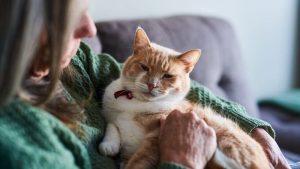
Cat dementia symptoms span a wide range of behavioral, cognitive, and physical changes. Because they develop gradually and some overlap with symptoms of other conditions, they can be easy to miss without deliberate observation. Understanding what to look for allows families to bring concerns to their veterinarian before the condition has progressed significantly.
Disorientation and Confusion
One of the most recognizable cat dementia symptoms is visible disorientation. A cat with feline dementia may appear confused in familiar spaces, staring blankly at walls, getting stuck in corners, or seeming unsure of where they are even in a home they have lived in for years. They may walk purposefully toward a destination and then appear to forget why they were going there.
Some cats with cognitive dysfunction fail to recognize familiar family members or show a delayed response to being called by name. These moments of apparent disconnection from their surroundings are a direct result of the disruption to normal brain function caused by the disease.
Nighttime Vocalization and Restlessness
Perhaps the most commonly reported sign of feline dementia is loud and distressed vocalization at night. Many families first notice that their aging cat has begun yowling, crying, or calling out in the early hours of the morning when the household is quiet. This nighttime vocalization often reflects disorientation and anxiety that worsens when environmental cues and stimulation are reduced in the dark.
The vocalization is typically repetitive, may escalate if the cat is not comforted, and often occurs independently of whether the cat needs food, water, or litter box access. It can be deeply distressing to witness and significantly disrupt both the cat’s rest and the family’s sleep.
It is important to note that excessive vocalization in an elderly cat can also signal pain, hypertension, or sensory decline, which is why veterinary evaluation is essential rather than assuming cognitive dysfunction is the sole explanation.
Changes in Sleep and Wake Cycles
Cats with cognitive dysfunction often experience a reversal or disruption of their normal sleep and wake patterns. A cat that was previously active during the day and slept through the night may begin sleeping heavily during daylight hours and becoming restless, active, or vocal at night. This disruption mirrors the day-night confusion seen in human dementia and is related to the brain’s declining ability to regulate circadian rhythms.
Families managing this symptom often describe exhaustion from nighttime disturbances and concern about their cat’s apparent inability to rest comfortably during appropriate hours.
Reduced Interaction and Social Withdrawal
An aging cat with feline dementia may become noticeably less interactive. A previously affectionate cat may stop seeking physical contact, no longer come to greet family members, or appear indifferent to the social interactions they once enjoyed. This withdrawal is not a reflection of mood or preference but rather a symptom of the neurological changes affecting their awareness and engagement with the world around them.
Conversely, some cats with cognitive dysfunction become unusually clingy or anxious, following their owner from room to room and appearing distressed when left alone. Both patterns reflect disruption to normal social processing and emotional regulation.
Forgetting Learned Behaviors
A cat that has been reliably litter trained for years may begin eliminating outside the litter box without apparent physical cause. This is one of the more practically challenging cat dementia symptoms for families to manage and is frequently reported as a primary concern by those whose cats have begun showing signs of cognitive decline.
The cat has not forgotten their training in a behavioral sense. The brain’s capacity to consistently execute learned routines is being disrupted by neurological deterioration. Other learned behaviors such as responding to their name, navigating their food bowl location, or using familiar pathways through the home may also become inconsistent.
It is important to distinguish this from litter box avoidance caused by physical conditions such as arthritis making box entry difficult or urinary tract disease causing urgency. A veterinary assessment can help identify which factors are contributing.
Changes in Appetite and Eating Habits
Some aging cats with cognitive dysfunction show changes in their relationship with food. They may forget that they have already eaten and repeatedly approach the food bowl, or conversely, forget to eat and show reduced interest in meals. Weight changes may result from either pattern.
Appetite changes in senior cats always warrant investigation because many serious conditions produce similar signs. Cognitive dysfunction should only be considered as an explanation for appetite irregularities after other medical causes including kidney disease, dental pain, and gastrointestinal illness have been evaluated and addressed.
Reduced Grooming or Excessive Grooming
Cognitive dysfunction can disrupt the well-established grooming routines of elderly cats. Some cats with feline dementia groom less frequently or incompletely, resulting in a coat that becomes dull, matted, or unkempt. Others develop repetitive or obsessive grooming behaviors in specific areas.
Both patterns reflect a disruption to normal behavioral sequencing in the brain and can be useful indicators of cognitive change when considered alongside other signs.
Staring and Apparent Blank Spells
Families often describe moments where their cat appears to be staring into space, unresponsive to stimulation, and seemingly absent. These blank spells differ from normal resting behavior in their duration and the cat’s failure to respond to sounds or movement in their environment that would normally capture their attention.
While these episodes can also be associated with certain types of seizure activity, in cats with multiple other cognitive symptoms they are frequently attributed to the disorientation and perceptual disruption of feline dementia.
How Feline Dementia Is Diagnosed
There is no single definitive test for feline cognitive dysfunction syndrome. Diagnosis is primarily clinical, meaning it is based on a thorough review of the cat’s history and behavioral symptoms alongside the exclusion of other conditions that could be responsible for the same signs.
Your veterinarian will likely recommend bloodwork, urinalysis, and blood pressure measurement to rule out hyperthyroidism, kidney disease, hypertension, and metabolic disease, all of which can produce behavioral changes that mimic cognitive dysfunction. A neurological examination and in some cases advanced imaging may also be recommended depending on the presentation.
Families play a crucial role in this diagnostic process. Keeping detailed notes about when symptoms began, how they have changed over time, and which behaviors are most consistent helps your veterinarian build an accurate picture of what your cat is experiencing.
Supporting an Aging Cat With Cognitive Dysfunction
While feline dementia cannot be reversed, there are meaningful steps families can take to support an aging cat’s comfort and slow the progression of cognitive decline.
Environmental Enrichment and Routine
Consistency is particularly important for cats with cognitive dysfunction. Maintaining a predictable daily routine for feeding, interaction, and rest helps reduce disorientation and anxiety. Keeping the home layout stable and avoiding unnecessary furniture rearrangement reduces confusion for cats who rely on spatial memory to navigate familiar spaces.
Gentle mental stimulation such as interactive feeders, short play sessions, and quiet environmental enrichment can support cognitive engagement. Providing nightlights in areas your cat frequents may reduce nighttime disorientation.
Nutritional Support
Several commercially available diets are formulated to support cognitive health in aging cats. These diets typically contain antioxidants, omega-3 fatty acids, and medium-chain triglycerides that have shown some evidence of supporting brain function. Your veterinarian can advise on whether a cognitive support diet is appropriate for your cat’s specific situation.
Medication and Supplements
There is currently no fully established pharmacological treatment for feline cognitive dysfunction, though some veterinarians recommend supplements including SAMe and vitamin E for their antioxidant properties. Selegiline, a medication used for cognitive dysfunction in dogs, has limited evidence in cats but may be considered in some cases. Any supplement or medication should be discussed with your veterinarian before use.
If nighttime vocalization is significantly affecting your cat’s rest and your family’s quality of life, your veterinarian may also discuss options for managing anxiety and supporting more regular sleep cycles.
Managing Concurrent Conditions
Because feline dementia frequently coexists with other age-related health problems, optimizing the management of concurrent conditions often improves cognitive symptoms as well. Controlling hypertension, managing thyroid disease, and supporting kidney function can all reduce the neurological burden on an aging brain and improve overall well-being.
Monitoring Quality of Life in Cats With Cognitive Dysfunction
For families managing a cat with feline dementia, quality-of-life monitoring is an ongoing and essential part of care. Tracking changes in disorientation, sleep, appetite, social engagement, and litter box habits over time gives both families and veterinarians important insight into how the condition is progressing.
Using a structured tool such as the pet quality of life scale from Paws at Peace allows families to evaluate their cat’s comfort and daily experience in a consistent and measurable way. This type of regular assessment helps identify meaningful decline that might otherwise be difficult to recognize when living with a cat day to day.
When cognitive decline becomes severe, when the cat appears distressed more often than comfortable, or when basic needs can no longer be reliably met, a quality of life consultation with an experienced end-of-life veterinarian can provide clarity and compassionate guidance about the most appropriate path forward.
When Feline Dementia Affects End-of-Life Decisions
Advanced cognitive dysfunction significantly impacts quality of life. A cat that is chronically disoriented, frequently distressed, no longer recognizing family members, and unable to manage basic functions is experiencing a meaningful reduction in daily comfort and dignity. When these changes become persistent rather than episodic and cannot be managed through supportive care, families often begin to consider whether their cat is suffering more than they are experiencing meaningful quality of life.
This is a deeply personal and difficult conversation. For families reaching this point, understanding what in-home pet euthanasia involves can help make the decision feel less overwhelming and more grounded in compassion. A peaceful, familiar environment is particularly meaningful for cats with cognitive dysfunction, for whom clinical settings can be especially disorienting and distressing.
For those navigating anticipatory grief or loss following a cat’s decline, pet loss grief counseling offers a supportive and nonjudgmental space to process the complex emotions that accompany caring for an aging cat through the end of their life.
Conclusion
Knowing what are the symptoms of cat dementia is the first step toward ensuring your aging cat receives the understanding and support they need. From nighttime vocalization and disorientation to changes in social behavior and litter box habits, cat dementia symptoms reflect real neurological change that deserves attentive and compassionate management. Early recognition, a thorough veterinary evaluation, and consistent supportive care give aging cats the best chance of remaining comfortable and engaged for as long as possible.
At Paws at Peace, families caring for cats with cognitive decline are supported through every stage of the journey, from quality-of-life consultations and hospice guidance to in-home end-of-life care delivered with the empathy and respect every cat deserves.
FAQs
Q: At what age do cats typically develop dementia?
A: Feline cognitive dysfunction becomes more common in cats over fifteen years old, though signs can emerge in cats as young as ten. Prevalence increases significantly with age, making regular behavioral monitoring an important part of senior cat care from middle age onward.
Q: Can cat dementia symptoms be mistaken for other conditions?
A: Yes. Nighttime vocalization, disorientation, and appetite changes associated with feline dementia can also be caused by hyperthyroidism, hypertension, kidney disease, and pain. A thorough veterinary workup is essential to rule out treatable conditions before attributing behavioral changes to cognitive dysfunction alone.
Q: Is there a cure for feline dementia?
A: Feline cognitive dysfunction cannot be cured or reversed. However, supportive care including environmental enrichment, consistent routines, cognitive support diets, and management of concurrent health conditions can slow progression and meaningfully improve an affected cat’s comfort and daily quality of life.
Q: How can I help my aging cat feel less anxious at night?
A: Providing nightlights in areas your cat frequents, maintaining a consistent evening routine, and offering a comfortable and familiar sleeping space can all reduce nighttime disorientation. Your veterinarian may also recommend supplements or medications to help manage anxiety and support more regular sleep patterns.
Q: When does feline dementia become a quality-of-life concern?
A: When a cat is frequently distressed, chronically disoriented, no longer able to manage basic needs, and shows little engagement with people or surroundings despite supportive care, quality of life may be significantly compromised. A structured quality-of-life assessment with your veterinarian can help guide difficult but necessary end-of-life conversations.