
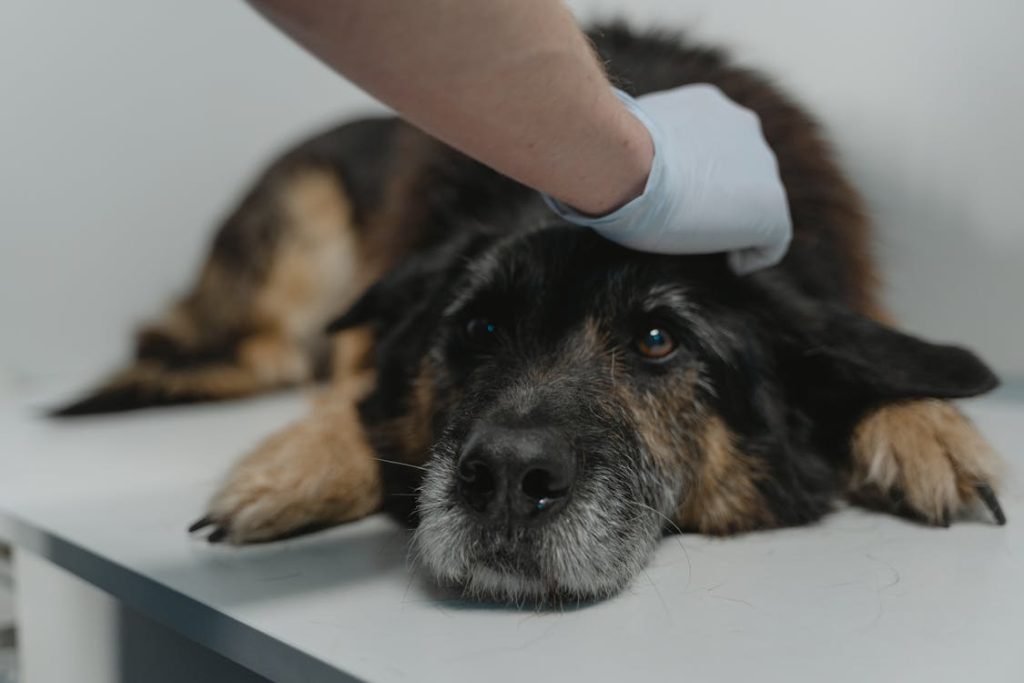
When a dog receives a serious or terminal diagnosis, families are often left with difficult questions about what comes next. Treatment may no longer be curative. The focus of care shifts. Many families find themselves asking what is hospice care for dogs and whether it might be the right path for their companion. The answer involves understanding a philosophy of care that prioritizes comfort, dignity, and quality of life over aggressive medical intervention, and recognizing that this choice is not giving up but rather a profound act of love and advocacy for a beloved dog.
This guide explains what pet hospice care involves, how it differs from curative treatment, who it is designed for, and how it supports both dogs and their families through one of life’s most difficult transitions.
What Is Hospice Care for Dogs
Hospice care for dogs is a philosophy and approach to end-of-life care that centers on comfort, symptom management, and quality of life rather than curing or significantly altering the course of disease. It is designed for dogs with serious illness, advanced disease, or terminal diagnoses where curative treatment is no longer appropriate, available, or aligned with the family’s wishes for their pet.
The term hospice originates in human medicine, where it describes a model of care that supports patients and families through the final phase of serious illness. Veterinary hospice care applies the same principles to dogs and other companion animals, emphasizing that the end of life can be a meaningful, peaceful, and dignified period rather than one defined solely by medical urgency or suffering.
Importantly, what is hospice care for dogs is not a single service or procedure. It is an individualized care plan that may include pain management, nutritional support, mobility assistance, anxiety reduction, environmental modifications, emotional support for caregivers, and regular reassessment of the dog’s comfort and quality of life. Every hospice plan looks different because every dog and every family’s needs are unique.
How Pet Hospice Care Differs From Curative Treatment
Understanding the difference between curative treatment and pet hospice care helps families make informed decisions about which approach best serves their dog at a given stage of illness.
Curative treatment aims to eliminate disease or significantly alter its course. Chemotherapy for cancer, surgery to remove a tumor, or aggressive management of organ failure are examples of curative approaches. These treatments often involve significant medical intervention, monitoring, and potential side effects. When they are effective they can meaningfully extend life and improve health.
Pet hospice care does not attempt to cure or reverse disease. Instead it focuses on managing the symptoms and consequences of illness to keep the dog as comfortable and functional as possible. The measure of success in hospice is not survival time but quality of daily experience.
This distinction does not mean hospice care is passive or involves doing nothing. Hospice often requires thoughtful and active medical management including pain medications, anti-nausea drugs, fluid support, wound care, and regular reassessment. The difference is that these interventions serve comfort rather than cure.
Who Hospice Care Is Designed For
Pet hospice care is appropriate for dogs facing a range of circumstances, not exclusively those in the final days of life. Families may begin considering hospice when:
A dog has received a terminal diagnosis with a limited and realistic life expectancy. A dog is no longer responding meaningfully to curative treatment. The side effects or burden of continued treatment outweigh the benefits to comfort and quality of life. A family has made an informed decision that further aggressive intervention is not aligned with their values or their dog’s well-being. A dog is in the earlier stages of a serious illness but the family wants to prioritize comfort alongside any ongoing treatment.
Hospice care is not reserved only for the final hours or days. Many dogs and families benefit from a hospice approach for weeks or months, during which time quality of life is actively maintained and families are supported in preparing for the eventual loss of their companion.
Palliative Care for Dogs Versus Hospice Care
The terms palliative care and hospice care are sometimes used interchangeably but carry slightly different meanings in veterinary medicine.
Palliative care for dogs refers broadly to comfort-focused care that can be provided alongside curative treatment at any stage of serious illness. A dog receiving chemotherapy may also receive palliative care in the form of anti-nausea medication, pain management, and nutritional support. Palliative care does not require a terminal prognosis.
Hospice care specifically refers to comfort-focused care when curative treatment has been discontinued or is no longer the primary goal. It is the stage at which the primary objective shifts fully to quality of life rather than disease management.
Both approaches share the same underlying values including relief of suffering, attention to the whole patient, and support for the family. Many dogs transition gradually from palliative care alongside treatment to full hospice care as disease progresses.
What Hospice Care at Home Involves

For many dogs and families, hospice care at home is the most appropriate and meaningful setting for end-of-life support. Being in a familiar environment significantly reduces anxiety and stress for most dogs, particularly those who experience fear or discomfort in clinical settings. Hospice care at home allows dogs to remain surrounded by the people, scents, and spaces they know and love.
Pain Management
Effective pain control is the foundation of any hospice plan. Dogs with cancer, orthopedic disease, organ failure, or neurological conditions often experience significant pain that must be thoughtfully managed. This may include oral medications, patches, injections, or other delivery methods depending on the dog’s condition and ability to tolerate treatment.
Conditions such as osteosarcoma in dogs, cancer in dogs, arthritis in dogs, and degenerative myelopathy in dogs all involve significant pain components that require active and ongoing management in a hospice context.
Symptom Management
Beyond pain, hospice care at home addresses the full range of symptoms a dog may experience as disease progresses. Nausea and appetite loss are common in dogs with kidney disease, liver disease, or cancer. Breathlessness is a central concern in dogs with congestive heart failure or respiratory conditions such as tracheal collapse or laryngeal paralysis. Anxiety and restlessness may accompany pain, cognitive decline, or breathlessness.
Each of these symptoms has targeted management strategies that a hospice veterinarian can implement and adjust as the dog’s condition evolves.
Nutritional Support
Maintaining adequate nutrition is an important part of hospice care. Dogs with advanced illness often experience reduced appetite and accelerated muscle loss. Hospice plans may include appetite stimulants, high-calorie supplemental foods, or dietary modifications to encourage food intake and maintain body condition for as long as possible.
Environmental Modifications
Making the home environment easier for a dog with mobility limitations, pain, or neurological changes is a practical and important component of hospice care at home. This may involve providing orthopedic bedding, creating ramps or steps to allow access to favorite resting places, moving food and water bowls to more accessible locations, and removing hazards that could cause falls or injury.
For dogs with degenerative myelopathy or advanced arthritis in dogs, non-slip surfaces, supportive harnesses, and assistance with repositioning to prevent pressure sores are often part of the care plan.
Regular Reassessment
A core principle of hospice care is that the plan is never static. As disease progresses, a dog’s needs change and the care plan must adapt accordingly. Regular reassessment, whether through in-home veterinary visits or telehealth consultations, ensures that pain control remains adequate, new symptoms are addressed promptly, and the overall approach remains aligned with the dog’s comfort and quality of life.
Using a structured tool such as the pet quality of life scale from Paws at Peace supports consistent monitoring between veterinary visits and helps families track meaningful changes over time. Regular use of this tool makes it easier to recognize when a dog’s comfort is declining and when the care plan needs to be revisited.
Emotional Support for Families
Hospice care for dogs is not only about the dog. The emotional experience of accompanying a beloved companion through the end of their life is profound and often exhausting. Pet hospice care includes meaningful support for the families navigating this process alongside their dogs.
This support may involve honest and compassionate conversations about what to expect as disease progresses, guidance on how to recognize changes in comfort and well-being, help with difficult decisions about when to continue or withdraw specific treatments, and support in preparing emotionally for the eventual loss.
Anticipatory grief, the grief that begins before a loss actually occurs, is a real and recognized emotional experience. Families who are accompanying a dog through hospice care often begin experiencing grief weeks or months before their dog dies. This is a natural response to loving deeply and watching that love face its limits.
If grief feels overwhelming at any point during the hospice journey or after loss, pet loss grief counseling provides a compassionate and dedicated space to process these emotions with professional guidance and without judgment.
How Pet Hospice Care Connects to End-of-Life Decision Making
One of the most important functions of hospice care is the space it creates for thoughtful and unhurried end-of-life decision making. When families are not in crisis and when a care team is actively supporting both the dog and the family, decisions about euthanasia can be approached with clarity and intention rather than fear and confusion.
Hospice does not mean avoiding euthanasia. For many dogs, euthanasia at the right time is the final and most compassionate act of the hospice journey, the point at which comfort can no longer be reliably maintained and a peaceful passing is the most humane choice available.
A quality of life consultation with an experienced veterinarian can help families understand where their dog is in their illness journey and what realistic comfort looks like going forward. These conversations are never easy but they are an essential part of caring well for a dog who can no longer speak for themselves.
For families preparing for or considering in-home euthanasia, our comprehensive guide on pet euthanasia at home covers what the process involves, what to expect, and how to prepare in a way that honors the bond shared with a beloved dog.

Is Hospice Care the Right Choice for Your Dog
The decision to transition to a hospice approach is deeply personal and depends on many factors including your dog’s diagnosis and prognosis, their current quality of life, the goals you hold for their remaining time, and the realistic options available for ongoing care.
Hospice is not appropriate for every dog or every family. Some families choose to continue pursuing treatment for as long as it offers meaningful benefit. Others feel that comfort-focused care from the point of diagnosis aligns more closely with their values and their dog’s temperament. There is no universally correct choice, only the one that best honors your dog’s individual experience and your family’s needs.
Asking questions such as whether your dog is still experiencing more comfort than distress, whether treatment is serving their quality of life or primarily extending illness, and whether your dog can still enjoy meaningful moments of connection and pleasure can help guide this reflection. These are exactly the kinds of questions a hospice veterinarian is equipped to help families explore.
Conclusion
Understanding what is hospice care for dogs opens the door to a form of care that is both medically thoughtful and profoundly humane. Pet hospice care prioritizes dignity, comfort, and quality of life during one of the most significant transitions a family and their dog will face together. Whether it begins weeks before the end of life or in the final days, hospice care ensures that a dog’s remaining time is characterized by relief from suffering, familiar surroundings, and the presence of those who love them most.
At Paws at Peace, families are supported through every dimension of the hospice journey, from comfort-focused medical management and quality-of-life consultations to compassionate in-home end-of-life care, ensuring that every dog’s final chapter is approached with the empathy, skill, and respect they deserve.
FAQs
Q: What is the difference between pet hospice care and palliative care for dogs?
A: Palliative care for dogs focuses on comfort and symptom management alongside ongoing treatment at any stage of illness. Hospice care specifically applies when curative treatment has ended and comfort becomes the sole priority. Both approaches share the same values of relieving suffering and supporting quality of life.
Q: When should I consider hospice care for my dog?
A: Hospice care becomes appropriate when a dog has a terminal or serious diagnosis, when curative treatment is no longer effective or desired, or when the burden of ongoing treatment outweighs its benefits to comfort. Many families begin hospice weeks or months before the end of life rather than only in the final days.
Q: Does choosing hospice care mean giving up on my dog?
A: Absolutely not. Choosing hospice care is a deeply considered and compassionate decision that prioritizes a dog’s comfort, dignity, and quality of life over medical intervention that is no longer serving them well. For many dogs, hospice care represents the most attentive and loving form of care available at the end of life.
Q: What does hospice care at home actually look like day to day?
A: Hospice care at home typically involves regular pain and symptom management, nutritional support, environmental modifications for mobility and comfort, ongoing quality-of-life monitoring, and regular veterinary reassessment. The specific plan is tailored to each dog’s individual condition, needs, and family circumstances.
Q: Can hospice care include euthanasia if my dog begins suffering?
A: Yes. Euthanasia is often a natural and compassionate part of the hospice journey. When comfort can no longer be maintained despite appropriate care, euthanasia prevents further suffering and allows for a peaceful and dignified passing. A hospice veterinarian can help families recognize when this point has been reached and support them through the decision.