

Noticing that your older dog is breathing faster than usual can be deeply unsettling. Whether it happens during rest, sleep, or after minimal activity, a change in breathing pattern is one of those signs that is difficult to ignore. Understanding why is my senior dog breathing fast is important not only for your peace of mind but for your dog’s health and comfort. In older dogs, changes in breathing can reflect a wide range of underlying conditions, some manageable with early intervention and others that signal a significant shift in disease status.
This guide explores the most common causes of rapid breathing in dogs, how to tell normal from concerning, and what steps families can take to support their senior dog’s comfort and quality of life.
What Is Considered Normal Breathing in Dogs
Before examining causes of concern it helps to understand what normal breathing looks like in a healthy dog. A resting dog typically breathes between 15 and 30 times per minute. During sleep, some dogs breathe even more slowly and may occasionally twitch or shift their rate during dream cycles.
Panting is a normal thermoregulation mechanism in dogs. Unlike humans, dogs do not sweat through their skin and rely heavily on panting to release heat. Panting after exercise, during warm weather, or in response to excitement is expected and not a cause for concern on its own.
What becomes concerning is breathing that is faster than normal during rest or sleep without an obvious trigger, breathing that is labored or effortful, or a pattern of senior dog panting that occurs at times when it would not normally be expected. In senior dogs particularly, these changes should be investigated rather than attributed to aging alone.
Why Senior Dogs Are More Vulnerable to Breathing Changes
As dogs age, several physiological changes make breathing more susceptible to disruption. The respiratory muscles can weaken over time. The heart becomes less efficient at circulating oxygenated blood. The immune system is less capable of fighting infections. Tumors and other age-related conditions are more likely to develop in or around the chest cavity.
This means that when a senior dog begins breathing rapidly or with more effort, there is a wider range of serious potential causes compared to a younger dog experiencing the same symptom. Age alone does not explain breathing changes and should never be used as a reason to delay veterinary evaluation.
Common Causes of Rapid Breathing in Senior Dogs
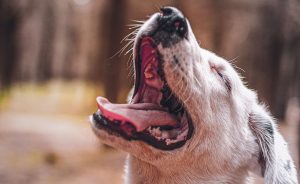
There are many possible explanations for why my senior dog might be breathing fast. Identifying the underlying cause requires veterinary assessment but understanding the possibilities helps families recognize the urgency of what they are observing.
Congestive Heart Failure
Heart disease is one of the most common causes of rapid breathing in senior dogs. As the heart loses its ability to pump blood efficiently, fluid can accumulate in and around the lungs. This condition, known as pulmonary edema, makes breathing effortful and fast even at rest.
Dogs with congestive heart failure often show a combination of rapid breathing, a persistent cough, exercise intolerance, and abdominal distension in later stages. The resting respiratory rate in these dogs is frequently elevated above 30 breaths per minute and tends to worsen progressively. If you have noticed these signs together, our guide on congestive heart failure in dogs provides a detailed look at disease progression and care options.
Respiratory Infections and Pneumonia
Bacterial or viral infections affecting the lungs or airways can cause rapid and labored breathing in older dogs whose immune systems are less robust than those of younger animals. Pneumonia in particular can develop quickly and cause significant respiratory distress. Other signs often accompanying infection include nasal discharge, reduced appetite, fever, and lethargy.
Respiratory infections are generally treatable when caught early but can become life-threatening in senior dogs if left unaddressed. Prompt veterinary assessment is important whenever infection is suspected.
Tracheal Collapse
Tracheal collapse is a condition in which the cartilage rings supporting the trachea weaken and cause the airway to narrow during breathing. It is particularly common in small and toy breeds and tends to worsen with age. Dogs with tracheal collapse often produce a distinctive honking cough and may breathe rapidly when the airway is compromised. You can read more in our guide on tracheal collapse in dogs.
Laryngeal Paralysis
Laryngeal paralysis occurs when the muscles controlling the opening of the larynx stop functioning correctly, causing the airway to narrow during inhalation. It is more common in large breed senior dogs and often produces noisy, labored breathing alongside changes in the voice and exercise intolerance. The condition can progress to respiratory crisis if not managed. Our detailed guide on laryngeal paralysis in dogs explains the signs, progression, and care considerations families should understand.
Pulmonary Hypertension
Pulmonary hypertension refers to abnormally high blood pressure within the vessels supplying the lungs. This forces the heart to work harder to push blood through the lungs and can result in fluid accumulation, reduced oxygen exchange, and rapid or labored breathing. It often develops secondary to other conditions including heart disease, lung disease, or blood clotting disorders. Our guide on pulmonary hypertension offers a thorough overview of this condition and its management.
Pleural Effusion
Pleural effusion refers to the accumulation of fluid in the space between the lungs and the chest wall. This fluid compresses the lungs and makes it physically difficult for them to expand fully, causing rapid and shallow breathing. Dogs with pleural effusion often breathe with their elbows held out from the body and their neck extended in an effort to maximize airway opening. Pleural effusion can develop secondary to heart disease, infection, or cancer.
Cancer
Several types of cancer can directly affect breathing in senior dogs. Lung tumors, tumors invading the chest cavity, and cancers that cause pleural effusion or pericardial effusion can all produce breathing problems in dogs. Hemangiosarcoma in dogs and lymphoma in dogs are among the conditions that may affect respiratory function as they progress. Oral and nasal tumors can also obstruct airflow in more advanced stages, as described in our guide on oral and nasal tumors in dogs.
Pain and Discomfort
Pain is an often overlooked cause of rapid breathing in senior dogs. When a dog is experiencing significant physical discomfort from any source including arthritis, cancer, or internal inflammation, the body’s stress response can produce faster breathing even without direct respiratory involvement. Dogs cannot verbalize pain and often express it through physiological signs including elevated respiratory rate, restlessness, and reluctance to settle.
Conditions such as arthritis in dogs and degenerative myelopathy in dogs can cause chronic pain that affects breathing patterns, particularly at night when movement is limited. Addressing pain appropriately often produces a noticeable improvement in breathing comfort.
Anxiety and Cognitive Dysfunction
Senior dog panting at night or during quiet moments can sometimes be linked to anxiety rather than a primary physical condition. Canine cognitive dysfunction, sometimes called doggy dementia, frequently causes disorientation, restlessness, and anxiety that manifest as panting and rapid breathing, particularly in the evening hours.
If your older dog has been showing signs of confusion, disrupted sleep, aimless pacing, or changes in social interaction alongside faster breathing, cognitive dysfunction may be contributing. Our guide on canine cognitive dysfunction explores these signs and their management in more detail.
Anemia
Anemia, a reduction in the number of red blood cells available to carry oxygen, forces the body to breathe faster in an attempt to compensate for reduced oxygen delivery to tissues. Senior dogs can develop anemia secondary to many conditions including chronic kidney disease, cancer, gastrointestinal bleeding, and immune-mediated disease. Pale gums, weakness, and rapid breathing together suggest anemia and warrant prompt veterinary investigation.
When Senior Dog Panting Is an Emergency
Some presentations of rapid or labored breathing require emergency veterinary care rather than a scheduled appointment. Seek immediate help if your dog is:
- Breathing with their mouth open at rest when this is not normal for them
- Showing blue, grey, or white gums instead of their normal pink color
- Unable to settle or stand comfortably due to breathing difficulty
- Breathing with visible effort using their abdominal muscles
- Showing sudden collapse alongside respiratory changes
These signs indicate that oxygen delivery to the body may be critically compromised. Time matters in these situations and waiting is not advisable.
How Breathing Problems in Dogs Are Diagnosed
Because breathing problems in dogs can originate from so many different systems, a thorough diagnostic workup is essential. Your veterinarian will typically begin with a physical examination including careful auscultation of the heart and lungs. From there, chest X-rays provide important information about heart size, fluid accumulation, and lung tissue changes.
Additional diagnostics may include an echocardiogram to assess heart function, bloodwork to evaluate organ health and check for anemia, and in some cases more advanced imaging such as CT scanning. The diagnostic picture guides treatment decisions and helps families understand what they are dealing with and what to realistically expect.
Managing Rapid Breathing at Home While Awaiting Veterinary Care
If your dog is breathing faster than normal but not in acute distress, there are a few steps you can take while arranging veterinary assessment.
Keep your dog calm and in a cool, well-ventilated space. Avoid exercise or any activity that increases respiratory demand. Do not offer food if your dog appears nauseated or is breathing with significant effort. Monitor their resting respiratory rate by counting breaths for 30 seconds and multiplying by two. Recording this number over several hours gives your veterinarian useful baseline information.
If your dog’s breathing worsens at any point while you are waiting, treat it as an emergency and seek care immediately.
Monitoring Breathing as Part of Quality of Life Assessment
For senior dogs already managing a serious diagnosis, changes in breathing are an important part of tracking overall quality of life. A gradual increase in resting respiratory rate, more effort required to breathe, or increased senior dog panting without clear cause can all signal that the condition is progressing.
Using a structured tool such as the pet quality of life scale from Paws at Peace allows families to track breathing alongside other important indicators such as comfort, appetite, mobility, and emotional engagement. Monitoring these factors together over time provides a more complete picture of how your dog is truly doing between veterinary visits.
When breathing difficulty becomes persistent and difficult to control despite medical management, many families find it helpful to schedule a quality of life consultation with a veterinarian experienced in end-of-life care. These conversations help families understand where their dog is in their illness journey and what the most compassionate path forward looks like.
When Comfort Becomes the Priority
For dogs with advanced heart disease, lung cancer, or other serious conditions affecting breathing, there comes a point where medical intervention can no longer reliably restore comfort. When a dog is struggling to breathe despite appropriate treatment, experiences persistent anxiety related to breathlessness, or can no longer rest comfortably, the focus of care appropriately shifts toward comfort and dignity.
In-home hospice care allows dogs to remain in a familiar environment where anxiety is minimized and comfort can be supported in a personalized way. When breathing distress can no longer be managed, in-home pet euthanasia may be the most humane option to prevent further suffering. For families navigating this decision, pet loss grief support offers compassionate guidance for the emotional journey that follows.
Conclusion
Knowing why your senior dog is breathing fast is the first step toward getting your dog the help they need. From heart disease and respiratory infections to pain, anxiety, and cancer, the causes of rapid breathing in older dogs are numerous and almost always medically significant. Early veterinary evaluation gives your dog the best chance at effective management and preserved comfort. And when breathing problems reflect advancing disease, thoughtful end-of-life care ensures your dog is supported with dignity and love at every stage.
At Paws at Peace, families caring for senior dogs with serious illness are supported through quality-of-life consultations, in-home hospice care, and compassionate end-of-life services, ensuring every dog’s final chapter is handled with the care and respect they deserve.
FAQs
Q: What is a normal resting respiratory rate for a senior dog?
A: A healthy resting dog typically breathes between 15 and 30 times per minute. Consistently recording rates above 30 breaths per minute during rest or sleep is considered abnormal and warrants veterinary evaluation regardless of whether other symptoms are present.
Q: Can anxiety cause rapid breathing in older dogs?
A: Yes, anxiety and canine cognitive dysfunction can both produce panting and faster breathing in senior dogs, particularly at night. However, anxiety should only be considered as a cause after medical conditions including heart disease, pain, and respiratory illness have been ruled out through veterinary examination.
Q: Is rapid breathing in a senior dog always a sign of something serious?
A: Not always, but it should always be evaluated in older dogs. While panting after exercise or in warm weather is normal, unexplained rapid breathing at rest or during sleep in a senior dog is rarely without cause and requires professional assessment to rule out serious underlying conditions.
Q: What should I do if my senior dog is breathing fast at night?
A: Keep your dog calm and cool, monitor their resting respiratory rate, and contact your veterinarian as soon as possible. If breathing appears labored, your dog cannot settle, or their gums look pale or bluish, treat the situation as an emergency and seek immediate veterinary care.
Q: When does rapid breathing signal that end-of-life care should be considered?
A: When breathing difficulty is persistent, cannot be controlled with medication, and significantly impacts your dog’s ability to rest or function comfortably, it may indicate that comfort-focused care is the most appropriate priority. A quality-of-life assessment with your veterinarian can help guide this conversation.